


In today’s rapidly evolving digital world, the ability to use technology effectively is no longer optional—it is essential. From communication and collaboration to content creation and problem-solving, digital skills are becoming increasingly important for education, employment, and active participation in society.
Recognizing this need, UNICEF Uganda continues to support the implementation of the Digital Literacy Skills Toolkit (DST), a comprehensive framework designed to equip learners with the knowledge, skills, and attitudes needed to thrive in a digital age.
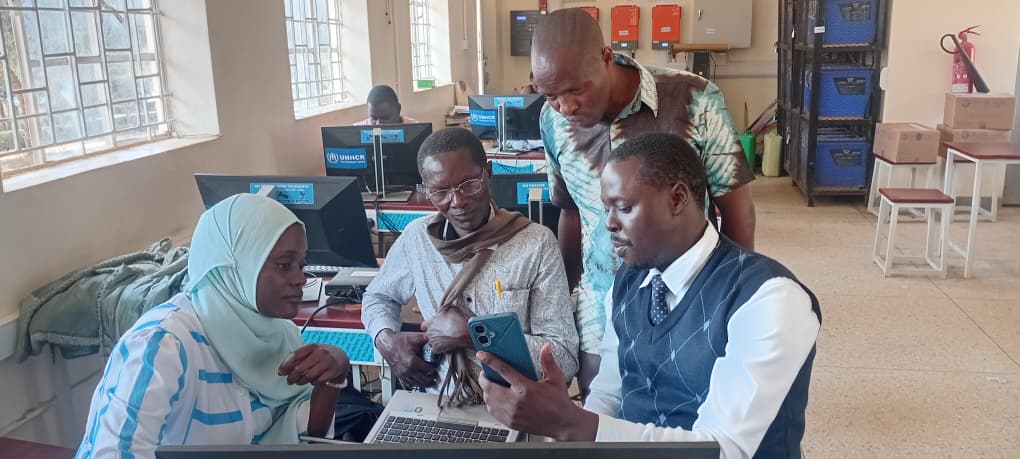
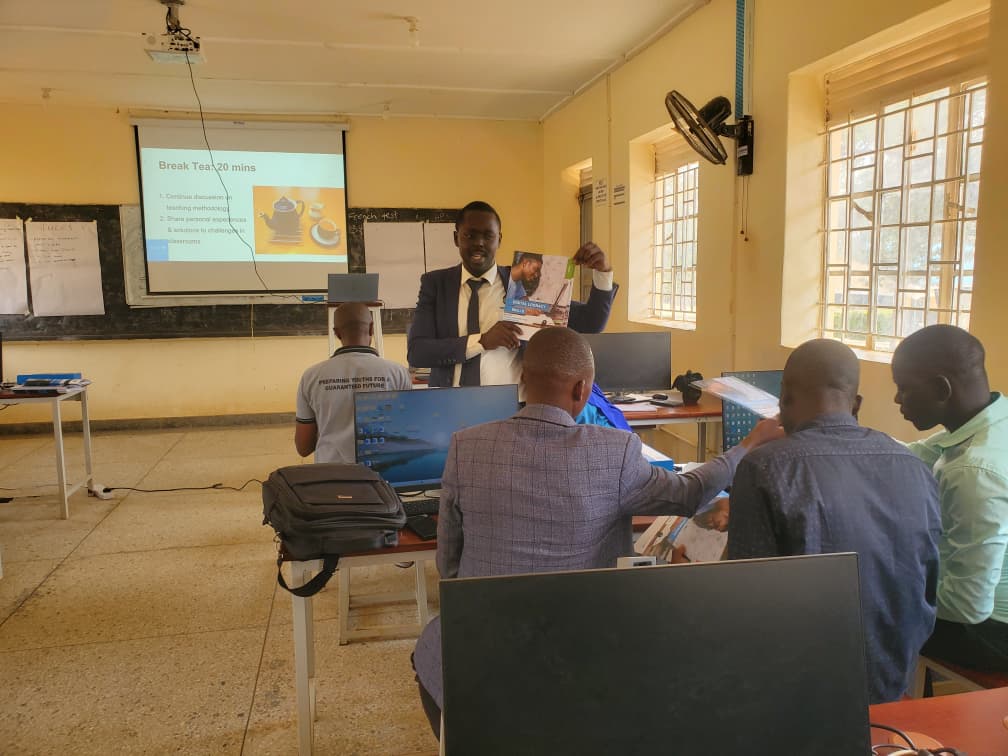
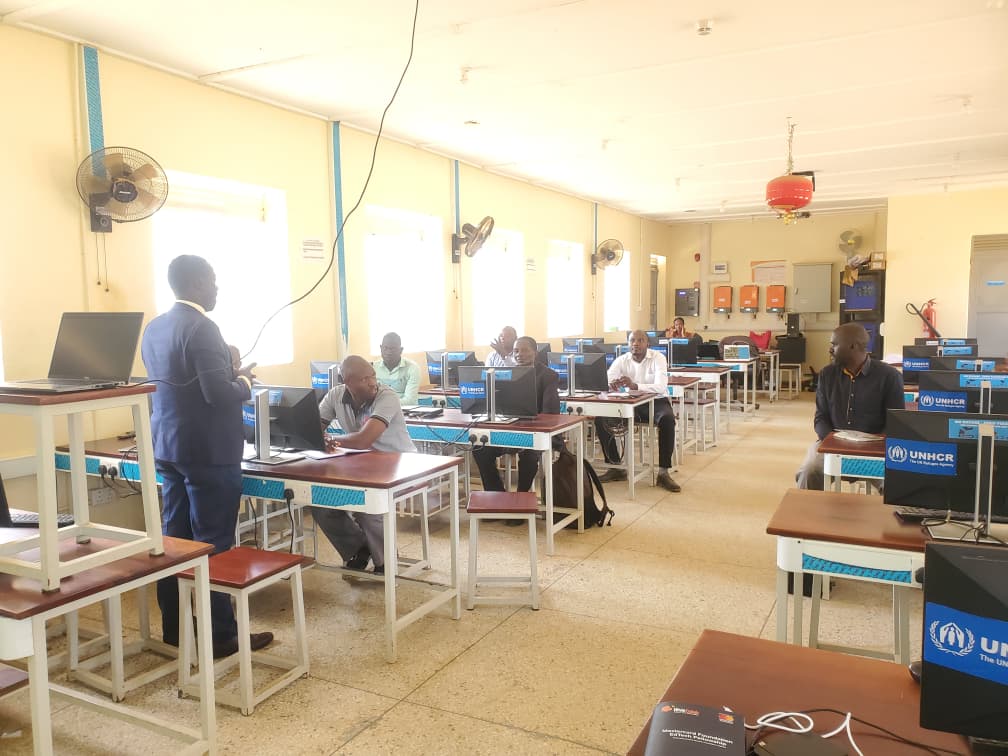
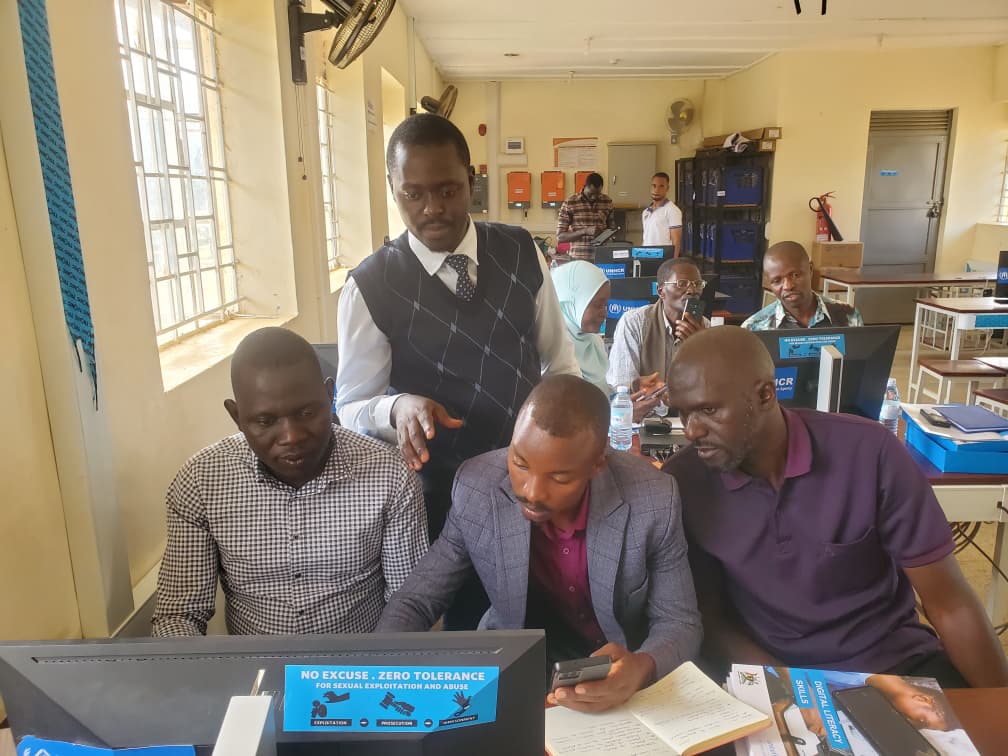
From 10th to 12th June 2026, I had the privilege of facilitating a three-day Digital Literacy Skills Toolkit (DST) Training of Trainers (ToT) workshop at Nakivale Seed Secondary School in Isingiro District. The training brought together instructors from Nakivale Technical Institute, Rweiziringiro Technical Institute, and Kyera Agricultural Training College, all united by a common goal: preparing learners for success in a technology-driven world.
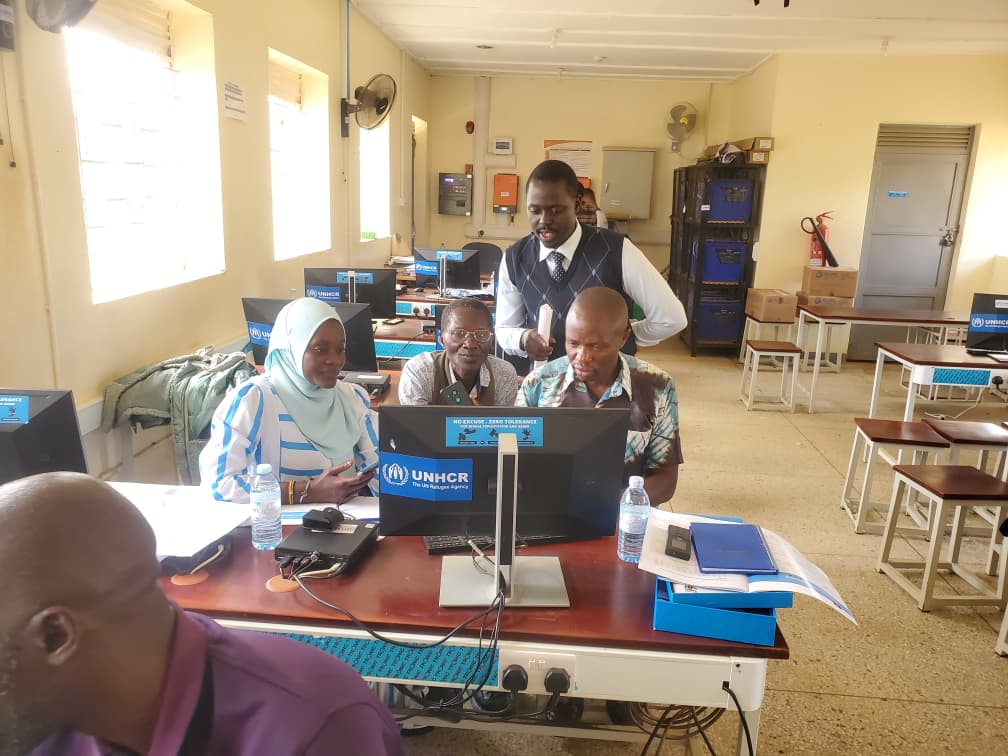
Building Capacity for Digital Transformation
The training focused on strengthening participants’ understanding of the UNICEF Digital Skills Toolkit and equipping them with practical approaches for delivering digital literacy content in their institutions.
Throughout the workshop, participants explored the six core DST modules:
- Foundation Digital Skills
- Information Processing
- Communication and Collaboration
- Content Creation
- Safety and Security
- Problem Solving
Rather than relying solely on presentations and theoretical discussions, the training emphasized active participation, collaboration, creativity, and practical application. Participants engaged in group discussions, demonstrations, collaborative tasks, peer learning activities, presentations, and hands-on projects that mirrored the learner-centered methodologies recommended by the DST framework.
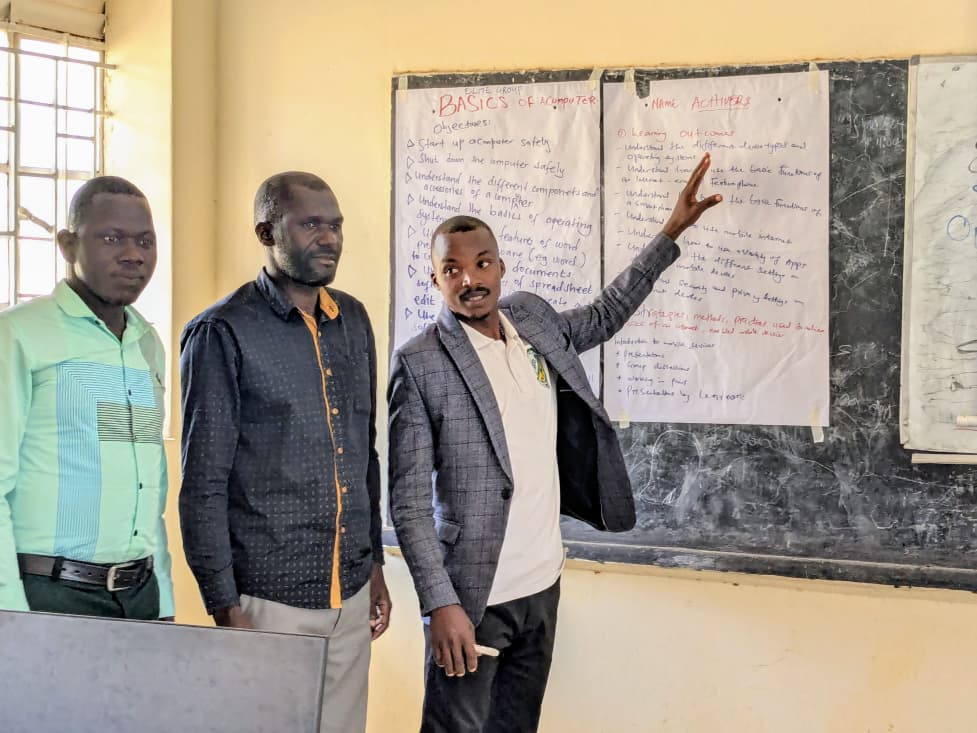
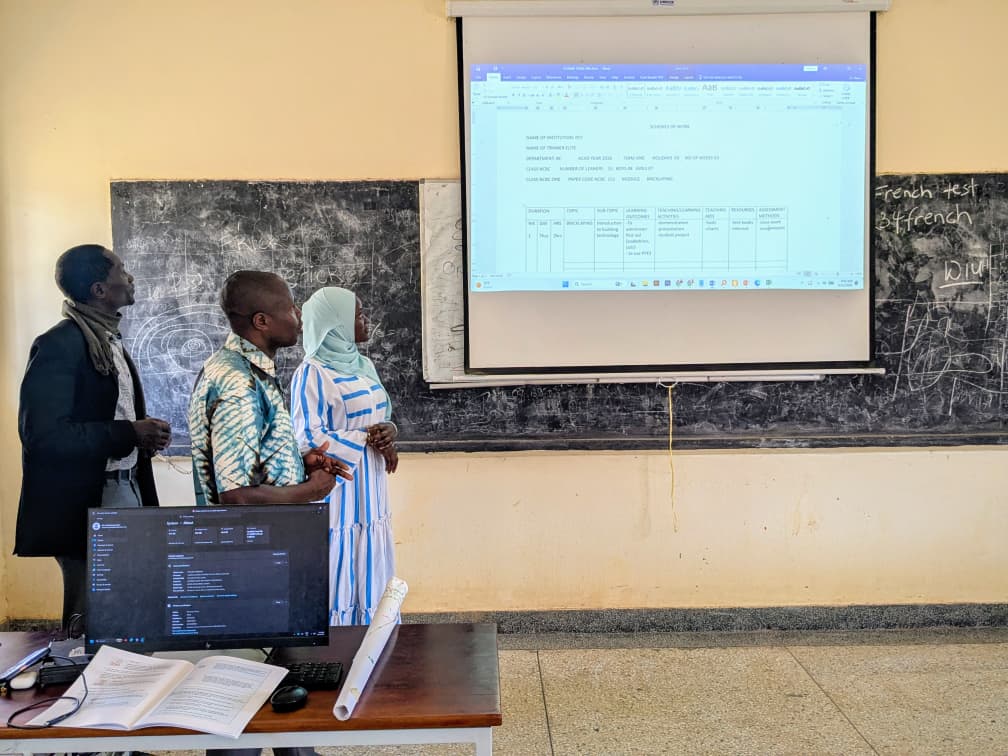
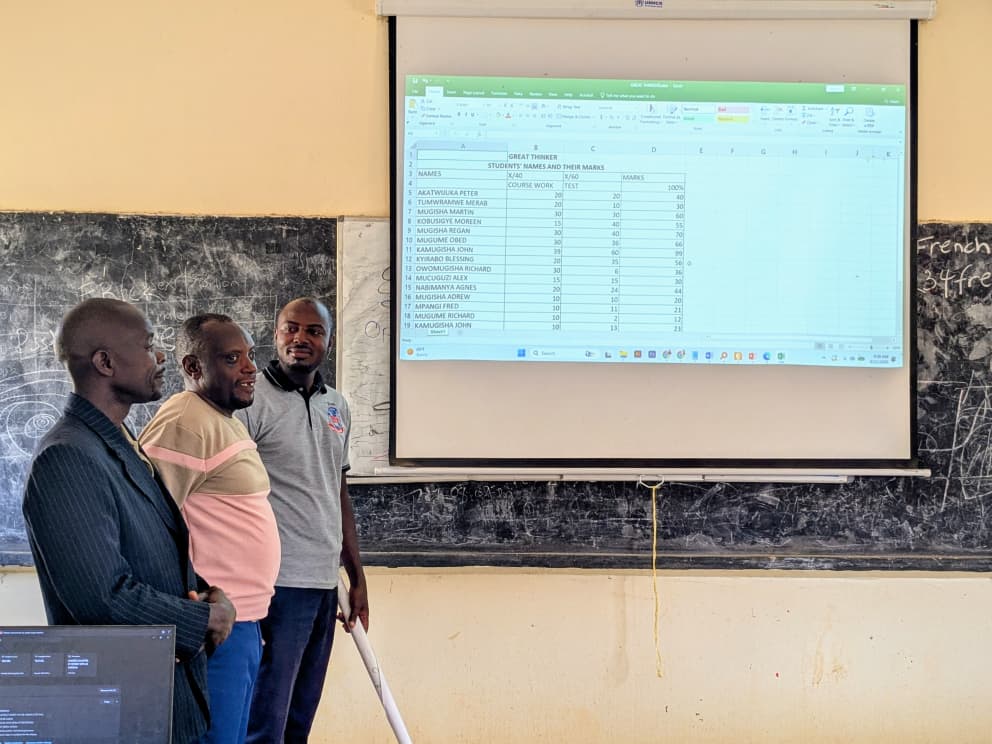
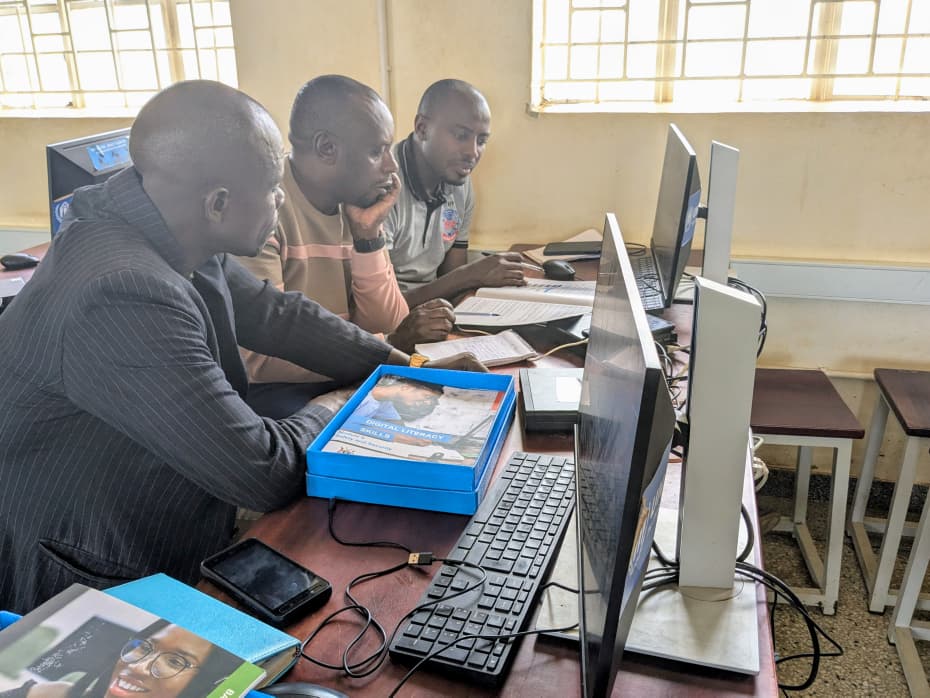
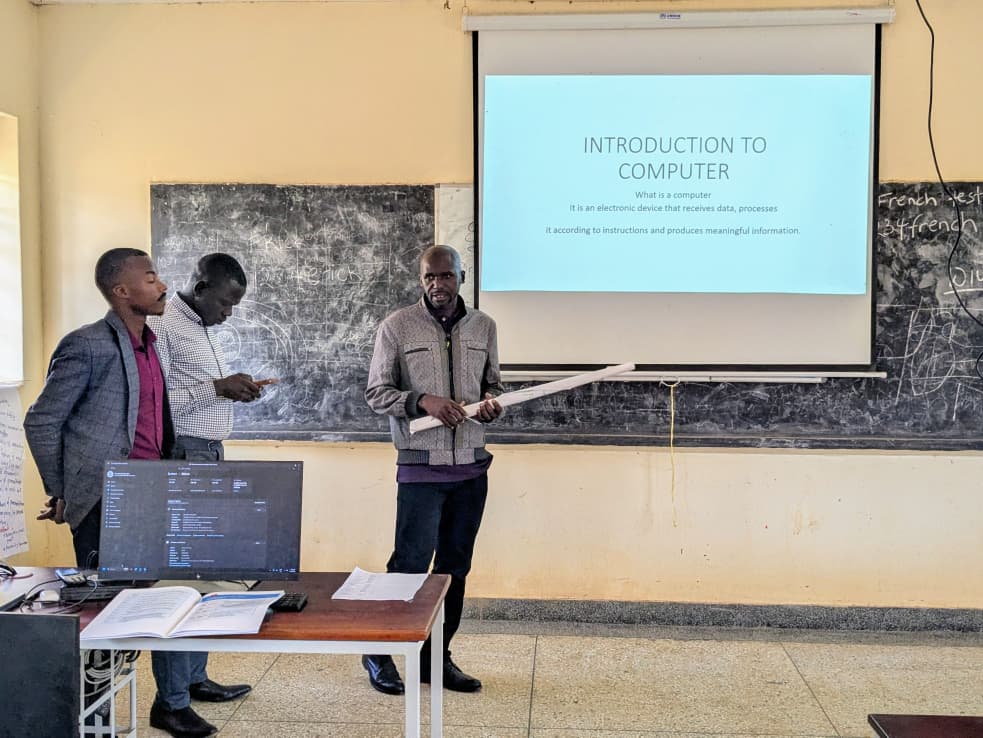
This approach not only helped participants understand the content but also demonstrated how digital literacy can be taught in engaging and meaningful ways.
Moving Beyond Theory: Creating Real Digital Content
One of the most exciting and impactful components of the workshop was the practical content creation project.
Participants were organized into working teams and challenged to create real digital content using the knowledge and skills acquired during the training. The objective was simple: experience the complete digital content creation process from planning and production to publishing and sharing.
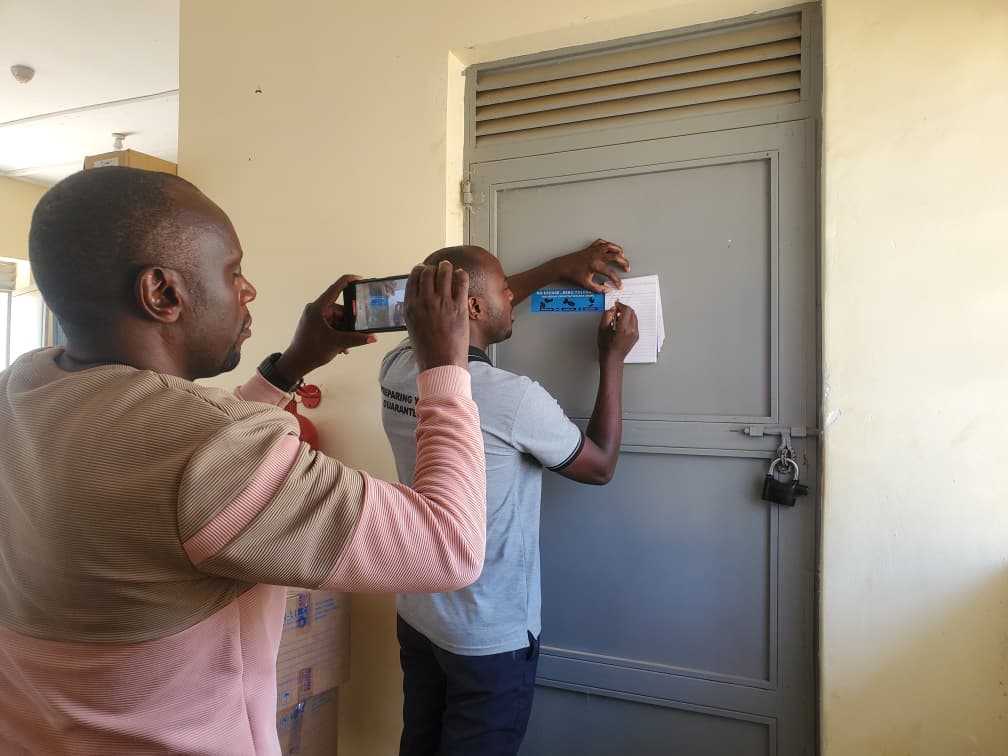
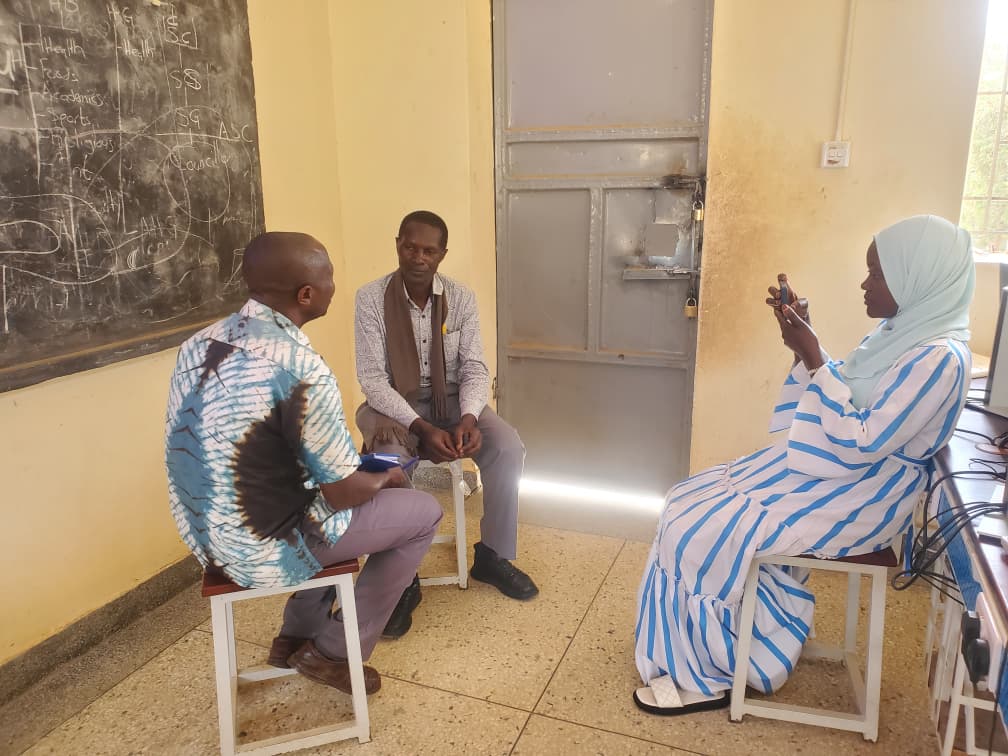
Working collaboratively, participants developed short educational videos. The teams planned their content, recorded video footage, edited their work using CapCut, and prepared the final products for online publication.
During the exercise, participants gained practical experience in:
- Content planning and storyboarding
- Video production techniques
- Video editing and post-production
- Multimedia integration
- Digital storytelling
- Team collaboration
- Online publishing
The exercise allowed participants to move beyond being consumers of digital content and become creators of digital content—an essential competency in today’s digital economy.
Publishing to the World
After editing their videos, participants uploaded their completed projects to YouTube, giving them firsthand experience in digital publishing and online content management.
The videos produced during the workshop can be viewed below:
Team Archievers Project
Team Great thinkers Project
Team Elites Project
For many participants, this was their first experience creating and publishing original digital content online. The quality of the outputs demonstrated both their enthusiasm and their ability to quickly apply newly acquired skills.
Seeing instructors confidently create, edit, and publish digital content was one of the strongest indicators of the effectiveness of the hands-on approach used throughout the training.
From Video Production to Blogging
The learning journey did not stop at video creation.
To further strengthen participants’ digital content development skills, each team proceeded to create blog posts and embed their YouTube videos within their articles. This exercise exposed participants to the broader digital publishing ecosystem and demonstrated how multiple digital tools can work together to support communication and knowledge sharing.
Through this activity, participants learned how to:
- Create and publish blog content
- Structure online articles for digital audiences
- Embed videos and multimedia content into websites
- Share educational resources online
- Build digital portfolios of work
These are practical skills that can be transferred directly into classroom projects, institutional communication activities, and community engagement initiatives.
Promoting Learner-Centered Teaching Approaches
A major focus of the training was helping participants understand how digital literacy can be taught through learner-centered methodologies.
The workshop emphasized approaches such as:
- Collaborative learning
- Project-based learning
- Inquiry-based learning
- Peer-to-peer instruction
- Problem-solving activities
- Practical hands-on exercises
These methodologies place learners at the center of the learning process and encourage active participation, critical thinking, creativity, communication, and collaboration.
As education continues to evolve, these competencies are becoming just as important as technical knowledge itself.
Key Lessons from the Training
Several important lessons emerged from the workshop experience.
Educators Are Ready for Digital Transformation
Participants demonstrated a strong willingness to adopt digital tools and integrate technology into teaching and learning when provided with practical support and guidance.
Hands-On Learning Produces Better Results
The most engaging sessions were those that involved practical activities. Participants consistently demonstrated higher levels of confidence and understanding when actively applying concepts rather than simply discussing them.
Collaboration Accelerates Learning
Working in teams enabled participants to share experiences, learn from one another, and collectively solve challenges. Collaboration proved to be a powerful driver of learning throughout the workshop.
Infrastructure Remains Critical
Reliable internet connectivity remains an important factor in successful digital skills implementation. Investments in connectivity and digital infrastructure will continue to play a significant role in scaling digital literacy initiatives.
Looking Ahead
The completion of this Training of Trainers workshop marks the beginning of a broader journey toward digital transformation within participating TVET institutions.
The instructors who participated are now equipped to cascade the knowledge and skills acquired during the training to hundreds of learners in their respective institutions. Through this multiplier effect, the impact of the workshop will extend far beyond the training venue.
As digital technologies continue to shape the future of education and work, initiatives such as the UNICEF Digital Literacy Skills Toolkit provide a valuable pathway for preparing both educators and learners to thrive in a connected world.
My Commitment to Digital Education
I remain deeply committed to supporting schools, TVET institutions, government agencies, and development partners in strengthening digital literacy, technology integration, and innovative teaching practices.
Over the years, I have worked with educators across Uganda to build capacity in educational technology, digital skills development, content creation, online learning, and teacher professional development.
My vision is simple: to help create learning environments where technology is not merely available, but effectively used to improve teaching, learning, creativity, and opportunity for every learner.
Together, we can build a digitally empowered education system that prepares learners not only for today’s challenges but also for the opportunities of tomorrow.
About Denis Wogisha Kruger
Denis Wogisha Kruger is an Education Technology Specialist, Digital Skills Trainer, Content Creator, and UNICEF Digital Skills Toolkit Master Trainer. He works with schools, TVET institutions, NGOs, and development partners to promote digital literacy, teacher professional development, and technology-enabled learning across Uganda.
For training opportunities, consultancy, partnerships, or speaking engagements, Contact Ticha



(2) Comments
You’ve been such an Innovative, time bound and wonderful trainer
We wish to have you alongside our training programme.
Well done sir for the work you have done